Best Practices for Installing Compressors in Oil & Gas
In the dynamic world of oil and gas, compressors play a vital role in boosting operational efficiency and ensuring reliable production. Whether you’re upgrading an existing system or installing a new compressor, following industry best practices is essential for maximizing performance, ensuring safety, and reducing downtime. In this blog post, we’ll walk you through the key steps and considerations for installing compressors in the oil and gas sector.
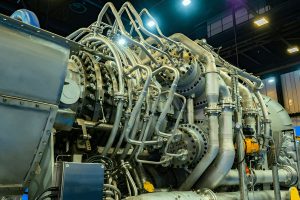
1. Choose the Right Compressor Type
Selecting the correct compressor for your application is the first critical step. Evaluate the specific needs of your operation by considering factors such as:- Process Requirements: Understand the pressure, flow rate, and temperature demands of your system.
- Energy Efficiency: Choose models that optimize energy consumption and reduce operational costs.
- Reliability & Maintenance: Opt for compressors known for durability and ease of maintenance to minimize unexpected downtimes.
2. Plan for Proper Site Preparation
A successful compressor installation begins with thorough site preparation. Key considerations include:- Foundation Design: Ensure the base is robust, level, and capable of handling vibration and dynamic loads.
- Environmental Conditions: Account for local climate and environmental factors that may affect compressor performance.
- Space and Accessibility: Plan for adequate space around the compressor for maintenance and future expansions.
3. Emphasize Alignment and Piping Integrity
Proper alignment and piping are paramount for system efficiency and longevity:- Precision Alignment: Use laser alignment tools to ensure that the compressor and its drive systems are perfectly aligned. Misalignment can lead to increased wear and energy losses.
- Piping Configuration: Design the piping layout to minimize pressure drops and avoid unnecessary bends that could compromise flow efficiency.
- Sealing and Insulation: Ensure that all connections are properly sealed and insulated to prevent leaks and maintain system integrity.
4. Prioritize Safety and Compliance
The oil and gas industry demands rigorous safety standards, and compressor installations are no exception:- Risk Assessments: Conduct comprehensive risk assessments and implement safety measures tailored to your installation environment.
- Regulatory Standards: Adhere to local and international codes and regulations to ensure compliance.
- Emergency Protocols: Develop and train staff on emergency response procedures to handle unexpected events, such as compressor failures or leaks.
6. Implement a Robust Maintenance Strategy
A proactive maintenance plan can extend the lifespan of your compressor and ensure continuous operation:- Scheduled Inspections: Establish a regular inspection schedule to identify wear and tear before issues escalate.
- Predictive Maintenance: Leverage data and monitoring technologies to predict potential failures and plan timely interventions.
- Training and Support: Equip your team with the knowledge and tools to perform routine maintenance and handle minor repairs in-house.